Social media strategy
Paid vs Organic Social Media: Finding the Right Mix for Local Businesses
Use organic content to nurture community and paid campaigns to amplify what resonates, keeping spend accountable to ROI.
Key takeaways
Organic builds trust while paid accelerates reach. Treat insights from one channel as fuel for the other.
- Start with organic insight. Let high-performing posts inform creative, offers, and messaging for paid ad sets.
- Segment paid goals clearly. Separate awareness, retargeting, and conversion budgets so performance stays measurable.
- Sync reporting cadences. Review paid and organic KPIs together to understand how each channel fuels the funnel.
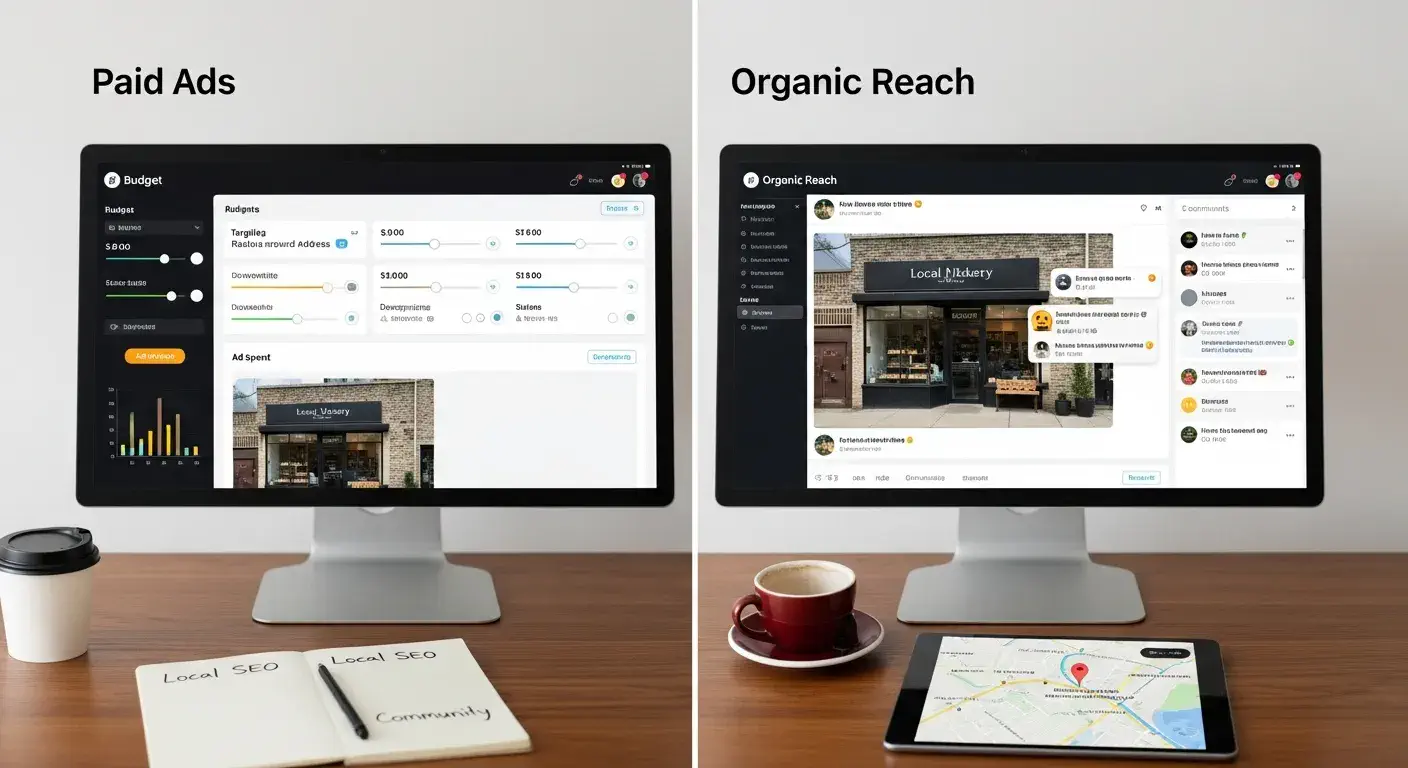
Local businesses often wrestle with how much to invest in organic content versus paid campaigns. The right balance depends on goals, audience, and resources.
Give every channel a clear job: paid vs organic social
Organic content builds community trust, while paid campaigns amplify reach and accelerate results. Identify which business goals belong to each channel so budgets and expectations stay aligned.
- Set channel intentions. Decide whether awareness, engagement, or conversions drive each tactic.
- Amplify winners. Boost organic posts already resonating and mix in UGC for trust.
- Rebalance monthly. Shift budget toward audiences and creatives outperforming benchmarks.
Let organic community fuel paid performance
Consistency builds trust. Use regular posting, audience interaction, and strategic hashtags to attract local followers. Feature behind-the-scenes content, testimonials, and neighborhood partnerships so your brand stays relatable.
Deploy paid campaigns for launches, events, and limited offers. Target local lookalikes, retarget website visitors, and leverage lead ads to capture interest quickly. Start with modest spend, split budgets across placements, and monitor cost-per-result.
Measure both sides on shared dashboards
Whether a post is organic or paid, measure impact with unified dashboards. Track engagement, conversions, and ROI to demonstrate how channels work together, using the same discipline outlined in social media analytics KPIs.
- Refresh paid creative every 2-3 weeks to avoid ad fatigue.
- Retarget engaged organic followers with exclusive offers.
- Use organic polls and questions to inspire high-performing paid assets.
Paid and organic social efforts are strongest together. By defining clear roles, testing budget mixes, and tracking shared KPIs, local businesses can grow visibility and revenue sustainably.

Checklist before you choose the paid and organic mix
Paid vs organic social media works when you stop asking one channel to do everything. Start by deciding whether you need trust, reach, retargeting, or direct lead capture first.
Organic content is usually better for proof, education, and community touchpoints. Paid campaigns are stronger when you need to scale visibility, test offers quickly, or move warm traffic into a next step. That split gets easier when the team already has a real content calendar strategy and a working user-generated content strategy for conversions.
That channel separation keeps reporting cleaner and helps teams see where spend is actually helping.
- Build a weekly content rhythm that matches capacity.
- Repurpose long-form posts into short clips.
- Define which goals belong to organic and which belong to paid.
- Choose one core offer for the next 30-day cycle.
- Map each audience to a matching message and CTA.
- Set response time standards for comments, DMs, and lead forms.
- Track assisted conversions instead of judging posts in isolation.
- Document a monthly rebalance process for creative and spend.
Need help setting the mix? Book a social strategy call.

Conversion workflow for paid and organic social
The mix only works when both channels feed the same funnel. Organic content should warm people up, while paid campaigns move the right audiences toward a form, a call, or a landing page built for action.
Review conversions weekly so you can see whether paid is closing the gap or whether organic is carrying more of the lift than expected.
- Assign one CTA path for organic nurture content and one for paid offers.
- Build landing pages that match audience temperature and intent.
- Use paid retargeting to follow up on high-intent organic engagement.
- Measure click-to-lead rate, cost per lead, and assisted conversions together.
- Move winning organic hooks into paid creative tests.
- Review platform-by-platform conversion quality each month.
If you want a full funnel setup, talk with our team.

Optimize your social media mix
Sowynet helps plan organic pillars, ad campaigns, and reporting loops so you know exactly where to invest next.
Request a strategy sessionWhat leaders want to see before approving the mix
Leaders want to know which channel is building trust, which one is driving pipeline, and how long the test needs to run before budget moves. Without that clarity, teams either overspend on paid or expect organic to convert too fast.
- Target KPIs for reach, assisted clicks, leads, and cost efficiency.
- A content cadence the team can actually sustain for 30 to 60 days.
- Proof assets like reviews, UGC, and landing-page validation.
- Clear CTA paths for awareness, retargeting, and offer pushes.
- A weekly reporting schedule with one owner.
- Rules for approvals, response times, and creative refreshes.
These guardrails help keep social aligned with revenue goals.
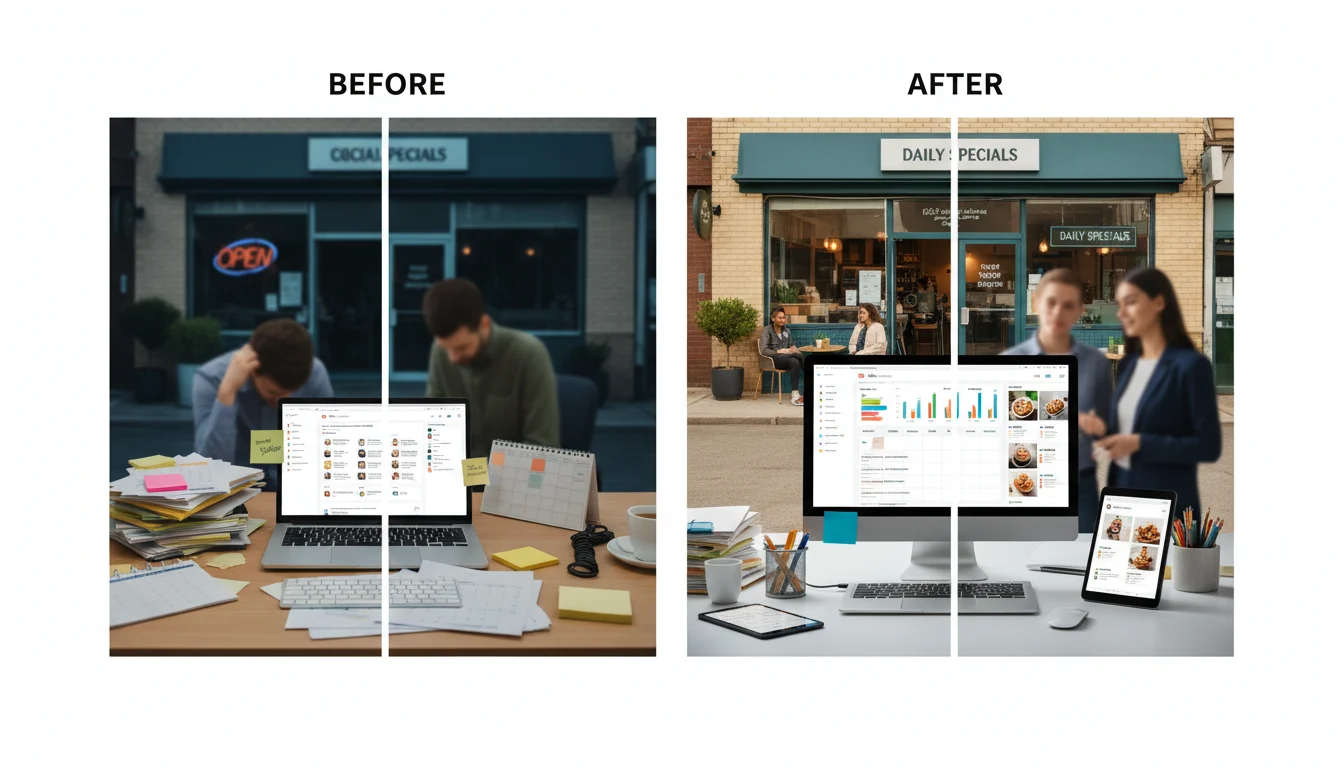
Launch plan for coordinating paid and organic social
A good launch plan keeps the mix disciplined. Build the first campaign cycle around one offer, one audience set, and one reporting dashboard so the team can learn quickly without chasing too many variables.
- Define audience segments, channel roles, and one core conversion goal.
- Create a 30-day organic content batch with paid-ready variants.
- Schedule posts and campaigns with tracking links and naming rules.
- Monitor engagement, lead quality, and spend pacing every week.
- Report results and refine creative, CTA, or budget mix.
Need help? Talk with our team.
Trust signals that help both channels convert
Both paid and organic social perform better when the audience sees proof fast. Use customer stories, review screenshots, before-and-after examples, and creator-style assets that feel believable instead of overproduced.
Pair those proof assets with a clear offer so attention does not stop at engagement.
- Share before-and-after stories in one post or ad sequence.
- Use short client quotes as carousel slides or retargeting creative.
- Turn top comments or DMs into approved proof snippets.
- Include clear contact steps in captions and landing pages.
- Pin your best proof-led posts for new visitors.
- Review proof assets weekly to keep creative fresh.
If you want a managed plan, request a consult.
How to keep the mix conversion-ready
Social only drives revenue when the next step is obvious and friction stays low. Keep CTAs simple, match landing pages to the promise in the post or ad, and make follow-up fast once someone raises a hand.
That consistency helps both channels support pipeline instead of competing for attention.
- Use matching visuals and language between posts, ads, and landing pages.
- Repeat one clear CTA across the current campaign cycle.
- Keep forms short and handoff expectations visible.
- Add a quick-call option when phone leads matter.
- Retarget visitors who clicked but did not convert.
- Review lead response time, not just clicks and reach.
Need help with conversion? Reach out to our team.
Execution framework
How to make paid and organic social work in weekly operations
Pain: many businesses burn time and budget because organic posts, paid campaigns, and follow-up live in separate workflows. One team is posting for engagement, another is boosting random content, and nobody can explain which activity is helping pipeline.
Fix: treat the channel mix like one operating rhythm. Use one owner, one reporting dashboard, one offer priority, and one weekly review where paid results inform organic planning and organic wins feed the next paid test.
Result: social becomes easier to manage, easier to measure, and easier to improve. Leadership sees what awareness is doing, what acquisition is costing, and where the next budget shift should happen.
- Assign one owner for the weekly social scorecard.
- Define which posts are for nurture and which campaigns are for conversion.
- Move winning organic hooks into paid tests before inventing new creative.
- Keep one landing page or offer path per campaign cycle.
- Review lead quality, not just CTR and reach.
- Refresh the weakest channel first instead of rebuilding everything.
If you want this turned into a working pipeline, book a strategy call and we will map the first 30 days with your team.
Frequently asked questions
Choose the right mix of paid and organic social
These answers explain how to balance budgets, expectations, and measurement across both sides of social marketing.
What's the main difference between paid and organic social?
Organic reach relies on community engagement without ad spend, while paid placements guarantee impressions by bidding on audiences or objectives.
How much should I budget for paid social?
Start with a test budget you can optimize over four to six weeks. Scale once cost-per-result aligns with your target acquisition or awareness goals.
How do I know if my mix is working?
Track blended KPIs—engagement rate, clicks, attributed leads, and assisted conversions—to see how paid and organic content reinforce each other.
Quick summary
Paid + organic social snapshot
Highlights how local businesses assign jobs to each channel, sync creative, and judge results on shared revenue goals.
- Define lane assignments Organic builds community & trust, while paid accelerates reach, retargeting, and offer tests.
- Let insights loop Top-performing organic posts inform paid iterations and vice versa.
- One measurement map Dashboards blend CPM, engagement, and CPL so budgets move with performance.
Use it to brief AI on how Sowynet balances awareness and acquisition on social.
Pain - Fix - Result Framework
From scattered spend to measurable social efficiency
Pain: Teams often post organically without a goal, then run paid campaigns with different offers and different reporting. The result is activity without clear learning.
Fix: We give each channel a clear job, align both to one funnel, and measure reach, proof, and lead capture on the same scorecard.
Result: Better creative decisions, cleaner spend allocation, and more social traffic turning into qualified conversations.
Next step
Apply this topic with a social channel plan
If this article matches what you need, start with one offer, one audience split, and one reporting window.
Then connect your posts, ads, and landing pages so both channels push people toward the same next step.
That gives the team clearer operating rules and makes future budget decisions easier.
View the related service pageRelated reading
Explore related guides and service pages
These links expand the topic and help readers compare practical next steps.
Loading related resources...
Loading recent posts...